

- Out-of-Stock


Mon-Fri: 9:00 am - 6:00 pm
Sat: 9:00 am - 4:00 pm
Sun: 9:00 am - 2:00 pm
8-100-9000-300
demo@demo.com27 Oak Street, Tenafly, US, 07670
Free delivery all orders of $120 or more of eligible items across any product category qualify
Credit Card: Visa, MasterCard, Maestro, American Express
You can return any item purchased within 16 days of the delivery date
 By buying this product you can collect up to 479 points. Your cart will total 479 points that can be converted into a voucher of €9.58.
Attention: Product on pre-order, availability 2nd quarter 2020 .
Attention: Product on pre-order, availability 2nd quarter 2020.
Features :
Brand: Mistral
Ref: 22-03-G006
System: Digital sound
> Decoder socket: 21MTC
Company: SNCF
Front/rear lights: Reversible white and red
Length (mm):
Era: VId
Scale: HO 1/87
Operation: 2 rails
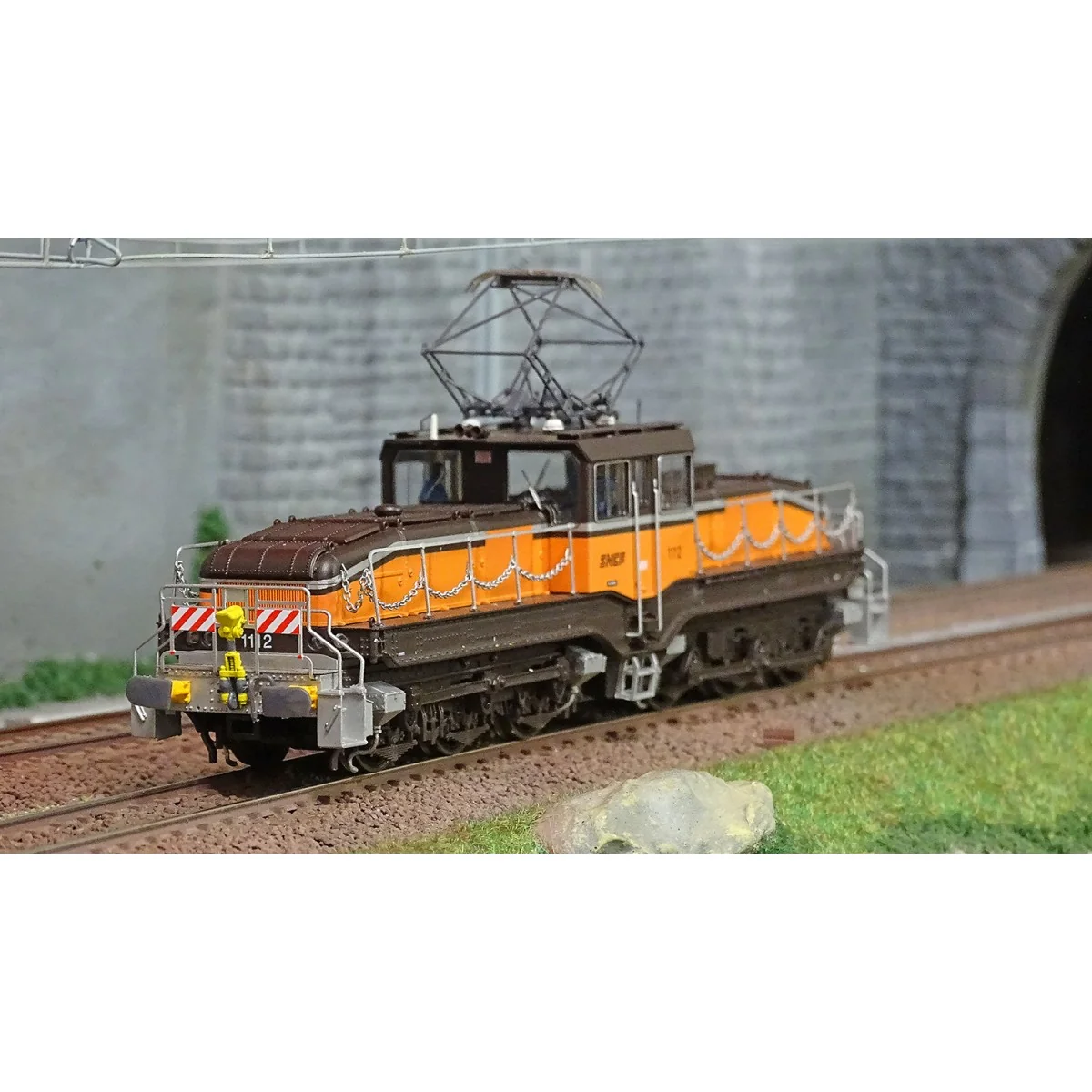
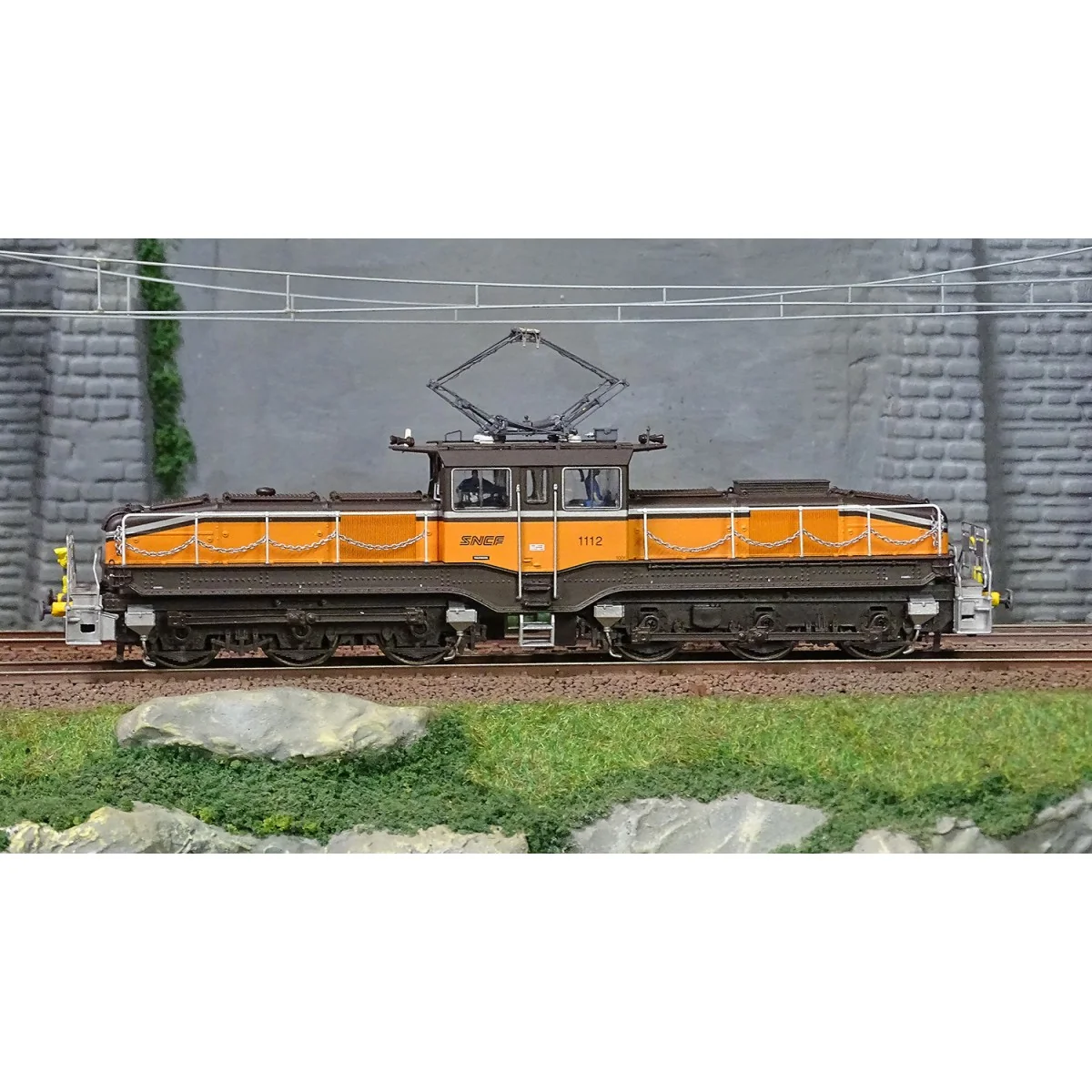
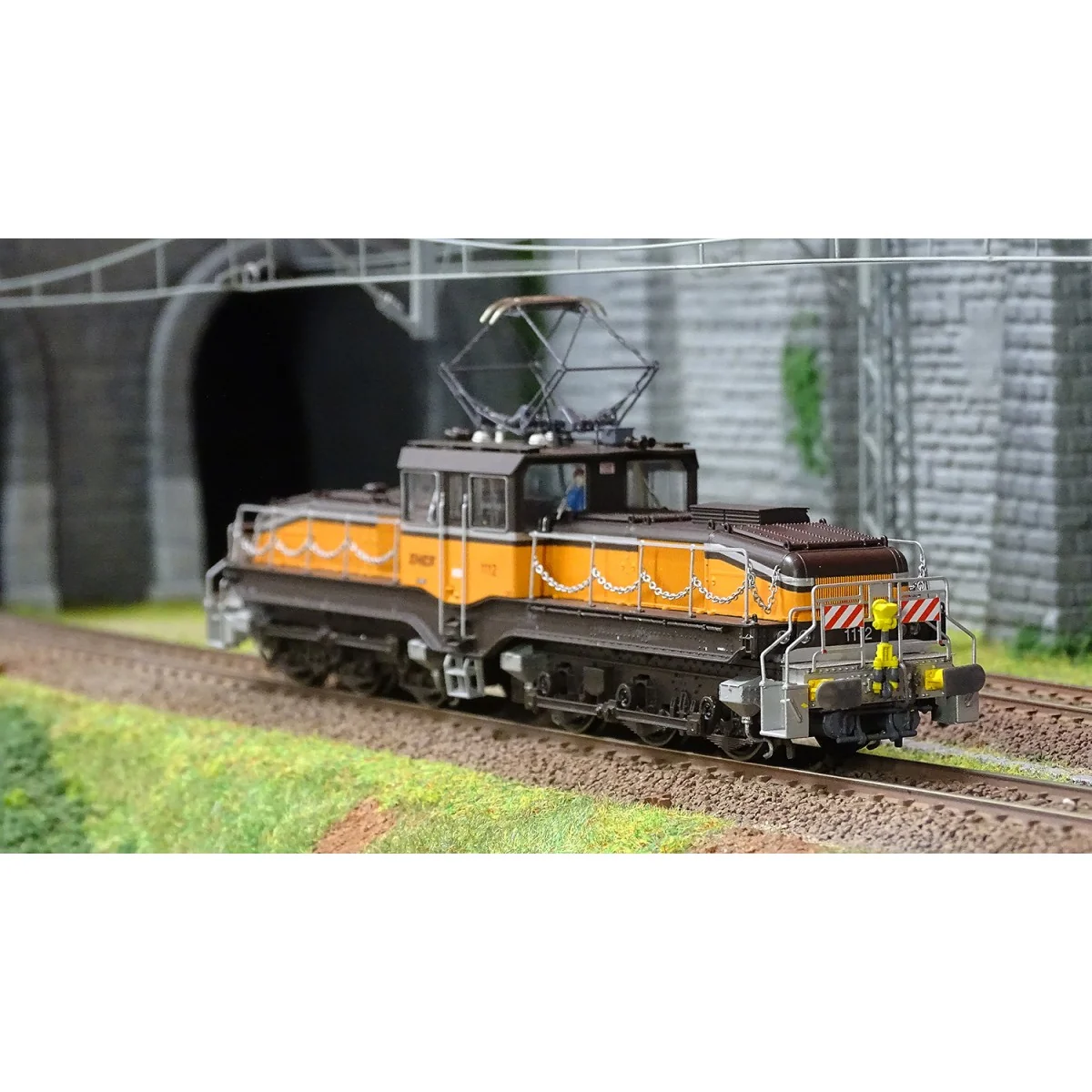
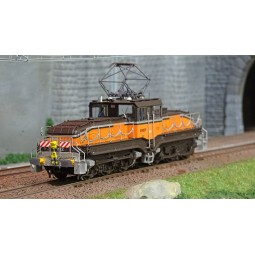
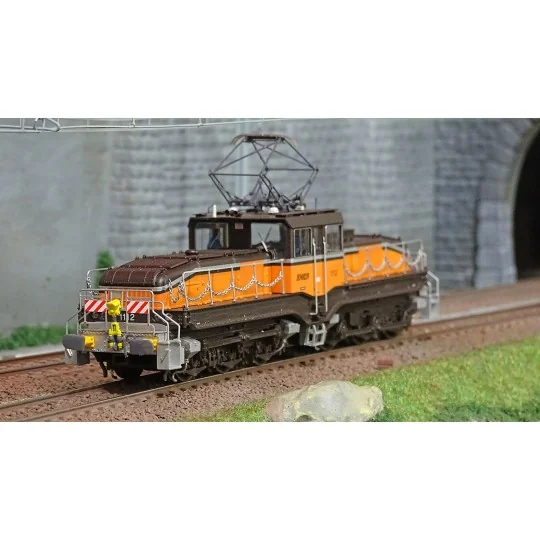
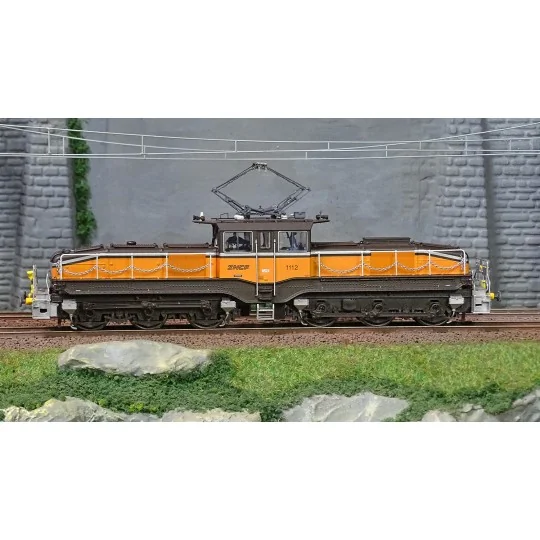
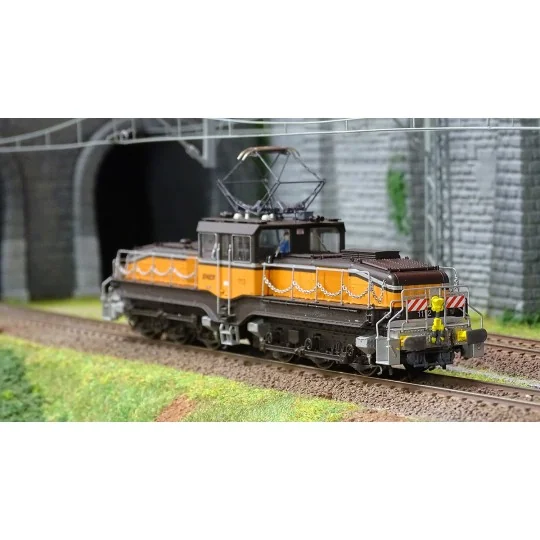
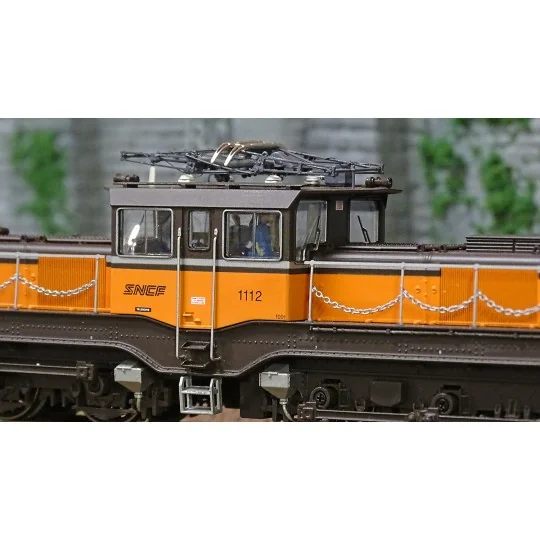
The only mythical shunting locomotive, better known by the nickname "Mille-Pattes" (Centipede).
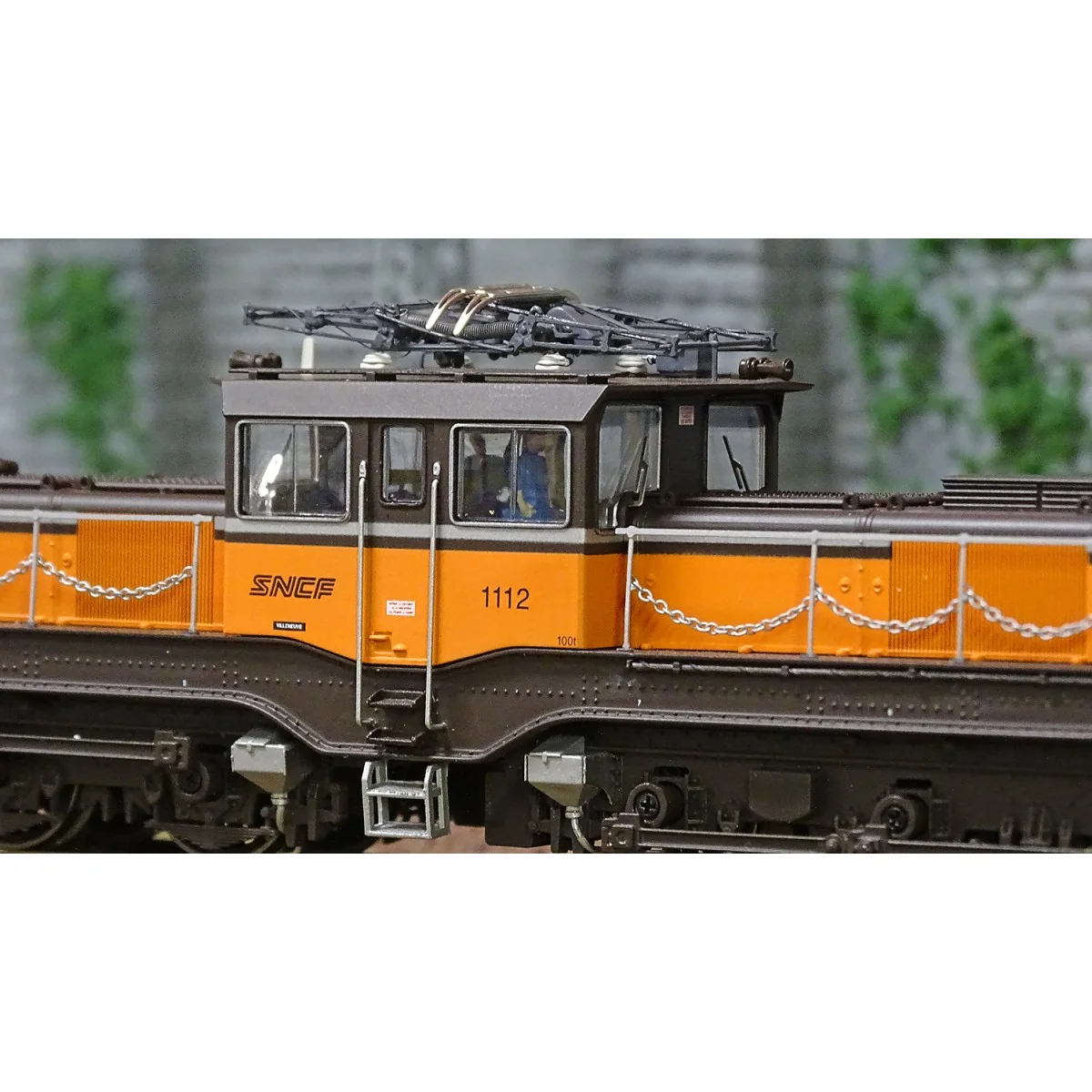
CC 1112 - "Arzens" livery - Villeneuve Saint-Georges depot - DCC / Sound-equipped - Motorized Type G pantograph - BSI coupler - Era IVa
The CC 1100 "Mille-Pattes"
This shunting locomotive, nicknamed "Millipede," which served in all SNCF marshalling yards between 1937 and 2005 in three liveries—Grey/Blue, Green, and Arzens—is our new model for 2019. Equipped with a functional pantograph that triggers electric arcs when approaching the catenary, it has the reference speed of the real locomotive: 30 km/h. Its chassis is metal, and all its axles, coupled by connecting rods, are driven by two synchronized motors. It is available in DCC/Sound or Analog versions, and as usual, in 2/3 rail configurations. You can expect to receive them starting in the fourth quarter of 2019.
• Metal chassis and bogies
• Weight: 375 g
• 2 motors (1 per bogie)
• 2 axles with tires (1 on each bogie)
• Round railings
• Spring-loaded buffers
• BSI coupling on the Green and Arzens liveries
• Functional pantograph with electric arcs
• Driver and assistant (mobile)
• Front/rear and cabin lighting
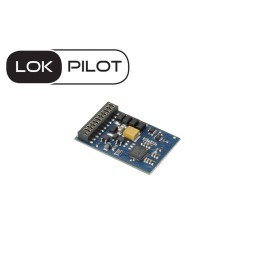
• In DCC/SON version, ESU V5 21MTC decoder
• 660uF Powerpack
• Electronic circuit board designed to power electric couplings
• 2 speakers
• Passage radius: 280mm
Between 1953 and 1989, the twelve units were painted in a green livery with red window surrounds. They were in service at Vierzon, Saint-Pierre-des-Corps, Toulouse, Limoges, Orléans, Les Aubrais, Villeneuve Saint-Georges, Lyon-Mouche and Avignon